6 Laundry Habits That Keep Knits and Silks Looking New, and the AEG Machines Built for Them

Some links in this article are affiliate links. If you buy through them, dramzz may earn a small commission at no extra cost to you.
Autumn is when the good jumpers come back out, and also when I start getting questions about why a favourite cashmere jumper came out of the wash a size smaller. If you are looking for a washing machine for delicates, the answer sits in two places: the habits you build around the laundry basket, and whether your machine has the right programme for the fabric in front of you. I went through AEG‘s current washing machine, washer dryer and tumble dryer ranges to see which models are genuinely built with wool, silk and delicate cycles in mind.
1. Sort by fibre, not just by colour
Most of us sort by colour out of habit, but fibre matters more. Wool, silk and cashmere behave differently in water and heat than cotton, even in matching colours. Grouping delicates into their own smaller load lets you use a lower temperature and gentler spin for the whole load, rather than compromising for the toughest item in the drum.
Honest drawback: more, smaller loads use more water and electricity per garment.
2. Read the care label before you read the brand name
The symbols on the inside seam, not the designer label, tell you the maximum treatment a garment can take. GINETEX, the body behind Europe’s standard care symbols, is clear these are a ceiling, not a target: “milder treatments and lower temperatures than those indicated on the label are always permitted.” A hand-wash symbol is often safe on a wool or delicates machine programme at a low temperature instead.
Honest drawback: faded or missing labels on older knitwear leave you guessing.
3. Use a dedicated wool, silk or delicates detergent
A detergent built for delicates is milder and usually free of the optical brighteners and enzymes that roughen wool fibres or dull silk over repeated washes. Skip fabric softener on wool specifically, since it coats and flattens the fibres that give a jumper its loft.
Honest drawback: a separate detergent is another bottle to buy and store, and it is not always the cheapest option on the shelf.
4. Choose a cooler wash and the gentlest spin you can
Heat is what shrinks wool and dulls silk, so a cool cycle, 30°C or lower, is the safer default. Pair that with a slow spin, not your machine’s fastest setting, to reduce the stress that distorts knitwear while wet.
Honest drawback: a slower spin leaves more water in, so drying takes longer.
5. Reshape while damp and dry flat
Wool and cashmere hold shape best if eased back into place while still damp, then dried flat on a towel rather than a hanger, which stretches the shoulders. Silk prefers flat too, away from direct heat or sun that can yellow it.
Honest drawback: flat drying needs floor or table space, not always available in a small flat during a wet UK autumn.
6. Let a steam refresh do the in-between work
Not every wool or silk piece needs a full wash after one wear. A steam refresh cycle, a short, low-water steam programme, loosens light creases and lifts odours between washes, meaning fewer full washes over the garment’s life.
Honest drawback: steam refresh will not remove stains or ground-in dirt, so it only works as a top-up between proper washes.
Which AEG washing machines actually have a wool or silk programme
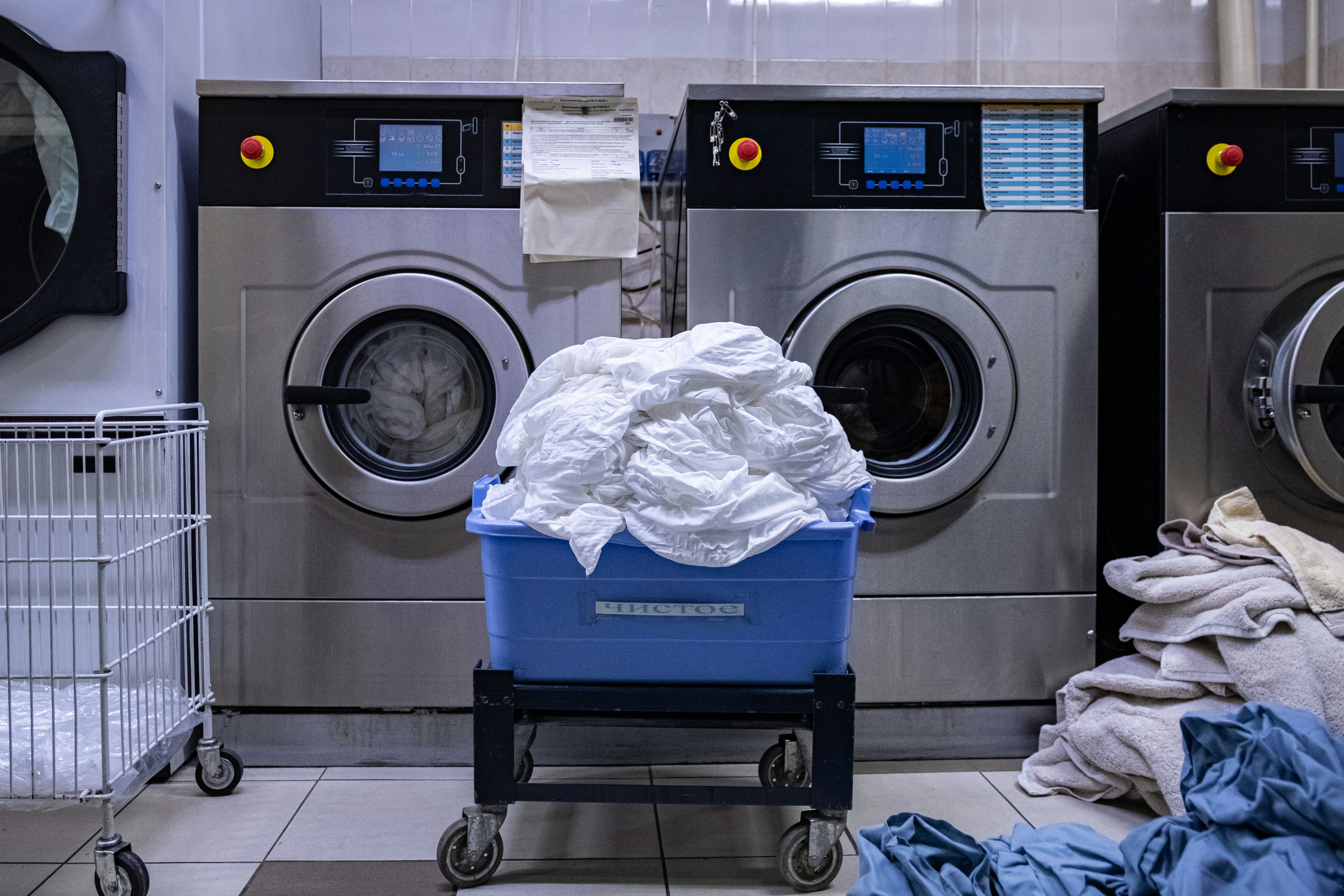
Having the right habits only helps if the machine itself has a gentle enough cycle. I checked the programme lists on AEG‘s own product pages, and both models below list a dedicated wool cycle.
The 7000 ProSteam 7kg washing machine, model L7FE7261BI is priced at around £679.99: 7kg drum, D energy rating, 1200rpm spin, and a combined Wool/Silk programme alongside Delicates, Steam, Cottons and Synthetics. AEG states the wool cycle is Woolmark Company approved.
For a cheaper route into the same protection, the 6000 ProSense 8kg washing machine, model LFR61844B sits at around £449.99: 8kg drum, A energy rating, 1400rpm spin, and a separate Wool programme but no dedicated silk setting, so silk goes on Delicates. It carries Woolmark Blue certification too, and ProSense weighs each load automatically.

Washer dryers and tumble dryers for when flat-drying space is tight
Not every home has room to dry a jumper flat for a day, which is where AEG‘s washer dryer and tumble dryer ranges come in, built around what AEG calls SpecialCare and AbsoluteCare technology.

The 8000 PowerCare UniversalDose Condenser 11kg washer dryer, model LWR8516L6UD is around £1,319.99, washing 11kg and drying 7kg in a combined D-rated cycle. A Wool/Handwash setting and Woolmark Blue certification mean it can wash and dry hand-wash-only wool in one sequence, without moving it to a separate dryer.
For tumble drying alone, the 8000 AbsoluteCare Heat Pump 8kg tumble dryer, model TR848A4B2 is around £1,079.99, 8kg, B energy rating, with separate Wool and Silk programmes. AbsoluteCare controls drum movement and temperature closely enough to carry a Woolmark Green no-shrinkage guarantee on wool specifically.


Where AEG‘s delicate-care features fall short
None of this makes a case for buying the most expensive machine in the range. The models with a dedicated silk programme and Woolmark certification across wash and dry sit at the pricier end, and a heat pump tumble dryer or large washer dryer is a genuinely big piece of furniture, so measure your space before ordering. Built-in models also need a qualified installer for the plumbing and cabinetry, a cost on top of the machine itself and not included in AEG‘s own pricing.
Good to know
Price range: from around £449.99 for an entry-level washing machine with a wool programme, up to around £1,319.99 for a washer dryer with wool and silk settings.
Where to buy: directly through AEG UK or major UK appliance retailers stocking the same model numbers.
Delivery and installation: standard delivery is offered on AEG‘s site; built-in models need a separate installer, and door/drum specs are worth checking against your kitchen units first.
Takeaway
A washing machine for delicates is only half the answer. Pairing a wool or silk programme with the right habits, cooler water, a gentler spin, drying flat where you can, is what keeps good knitwear looking new through the autumn wash cycle.